Why Do Some Commercial Retaining Walls Fail Early?
The new season is a great reason to make and keep resolutions. Whether it’s eating right or cleaning out the garage, here are some tips for making and keeping resolutions.
Have you ever seen a commercial retaining wall start to lean, crack, or bulge just a few years after installation? In most cases, early failure happens because drainage, soil preparation, structural design, or installation details were overlooked long before the first signs of damage appeared.
Commercial retaining walls play a critical role in supporting slopes, managing elevation changes, and protecting commercial properties from erosion. When these structures fail prematurely, the consequences can affect safety, functionality, and the site's appearance.
In this blog, we will explain the most common reasons retaining walls fail early and how proper planning, construction, and maintenance help extend their lifespan. Understanding these issues can help property owners make informed judgments and protect their investment for years to come.
Poor Drainage Creates Serious Pressure
Water is Often the Hidden Problem
One of the leading causes of retaining wall failure is inadequate drainage. Water naturally moves through soil after rainfall or snowmelt. When that water becomes trapped behind a wall, pressure builds up and pushes against the structure.
Over time, this pressure can cause:
• Cracks in the wall surface
• Bulging sections
• Leaning or shifting
• Complete structural failure
We always emphasize proper drainage systems because even a well-built wall can struggle when water has nowhere to go.
Drainage Components Matter
Drainage stone, perforated pipes, and outlets help move water away from the wall. Without these elements, moisture accumulation can gradually weaken the entire structure.
Weak Soil Preparation Undermines Stability
The Foundation Starts Below Ground
Many retaining wall issues begin before construction is even visible. If the soil beneath the wall is not properly compacted, the foundation may settle unevenly.
As the ground shifts, the wall can move with it. Small movements often grow into larger structural problems over time.
Unsuitable Backfill Materials
The soil placed behind a retaining wall also plays a major role. Poor-quality backfill can retain excess moisture, create pressure, and reduce stability. Properly selected materials help support the wall while promoting effective drainage.
For durable commercial retaining walls in Wisconsin Rapids, soil evaluation should always be part of the planning process.
Design Mistakes Lead to Premature Failure
Every Site Has Unique Conditions
Not all retaining walls are designed the same way. Factors such as wall height, soil type, slope angle, and expected loads must all be considered.
When these factors are overlooked, the wall may not have enough strength to handle site conditions.
Common Design Errors
Some frequent design issues include:
1. Incorrect wall dimensions
2. Inadequate reinforcement
3. Failure to account for water pressure
4. Ignoring nearby structures or traffic loads
A properly engineered design helps ensure long-term performance and reliability.
Installation Shortcuts Can Create Long-Term Problems
Construction Quality Matters
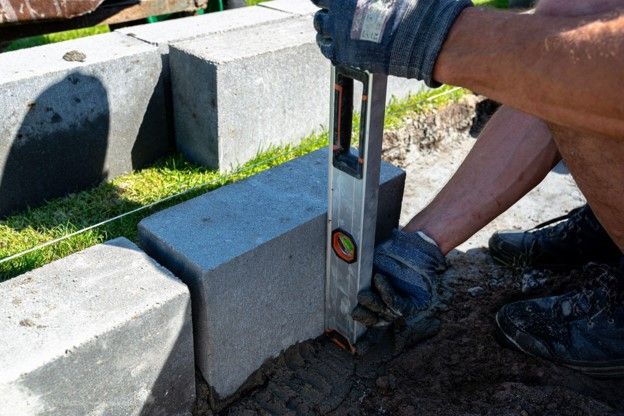
Even with a good design, poor installation practices can reduce a wall’s lifespan. Every layer of the wall must be installed correctly to create a stable structure.
Common installation mistakes include insufficient compaction, improper placement of drainage materials, and uneven block alignment.
Attention to Detail Makes a Difference
Experienced crews understand how small details affect long-term durability. Careful construction practices help prevent movement, cracking, and erosion-related issues later on.
This is why many property owners rely on professional retaining wall services in Wisconsin Rapids to ensure every phase of construction is completed properly.
Lack of Maintenance Accelerates Damage
Small Issues Can Grow Quickly
Retaining walls are built to last, but they still benefit from periodic inspections. Minor drainage problems, erosion, or vegetation growth can gradually create larger concerns.
Regular maintenance allows property owners to identify issues before they affect structural integrity.
Warning Signs to Watch For
Keep an eye out for:
• Cracks or separation
• Leaning sections
• Pooling water
• Soil erosion near the wall
• Bulging surfaces
Addressing these warning signs early can help prevent more extensive damage.
Protect Your Property with a Retaining-Wall Built to Last
Early retaining wall failure is often linked to drainage problems, poor soil preparation, design mistakes, installation errors, or neglected maintenance. By addressing these factors from the beginning, commercial property owners can significantly improve long-term performance and stability.
At Tri-State Land Works, we specialize in designing and constructing commercial retaining walls in Wisconsin Rapids that are built for durability and reliability. Contact our team today to discuss your project and benefit from experienced solutions designed for lasting results.